
Okay — picture this: a credit-card-sized device that stores your private keys, is unlocked by tapping your phone, and doesn’t need batteries or firmware updates. Sounds too good to be true? I get that reaction. At first I thought it was a gimmick. Then I put one in my wallet for a week and started using it. My instinct said: this is simple, maybe too simple. But the more I poked at the design, the more it made sense for certain users.
Tangem cards are NFC hardware wallets built around a secure element that never exposes private keys. You hold the card close to an NFC-capable phone, approve transactions in the Tangem app, and the card signs them on-device. No seed phrase on a sticky note. No USB dongle. No need to keep a computer on all day. For people who want cold storage with minimal fuss, Tangem’s approach hits a sweet spot.
Before you roll your eyes — yes, there are trade-offs. The device model and user flow are different from Ledger or Trezor. And if you prioritize maximum auditability and advanced multi-sig setups, Tangem isn’t a one-size-fits-all replacement. Still, for everyday cold storage and easy transfer, it’s compelling.
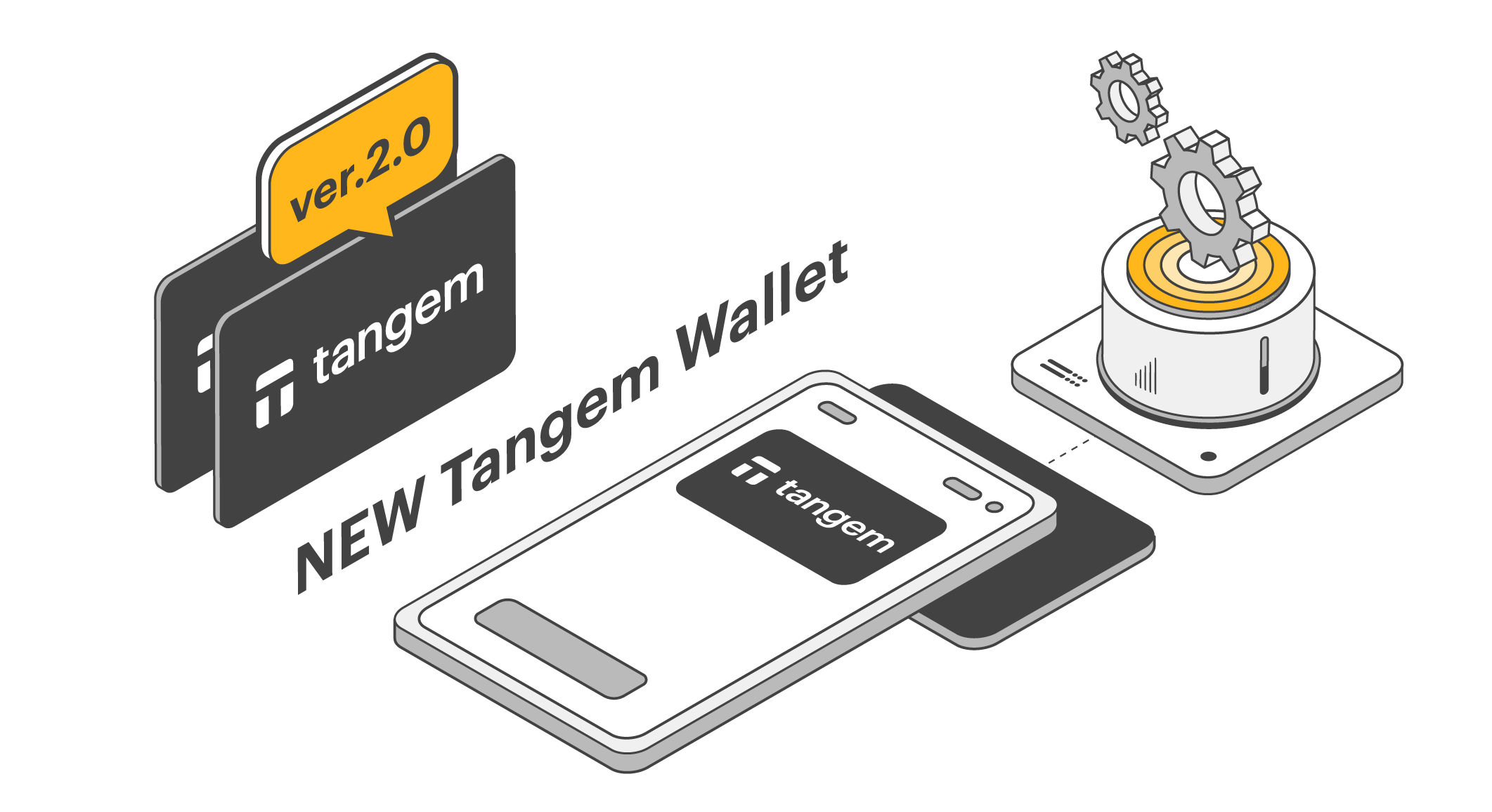
A quick tour: how Tangem’s cold-storage model actually works
Tangem cards store private keys inside a tamper-resistant secure element. The key never leaves that secure element. When you want to send funds, your phone sends the transaction data to the card via NFC, the card signs it, and returns the signature. The phone then broadcasts the signed transaction to the network. Pretty neat. There’s no mnemonic seed to write down, so the recovery model differs: you register backup cards or use Tangem’s enterprise recovery options, depending on your setup.
One easy way to see the appeal: no more sticky notes, no more typed seed phrases that could be copied by malware. That reduces certain classes of human error. But it introduces other operational considerations — more on that below.
The Tangem app: simplicity first
The Tangem app is intentionally minimal. It’s designed for mobile-first use, since NFC is the interface. You can check balances, craft transactions, and sign them with a tap. That simplicity is a feature. It lowers the barrier to secure storage for people who find traditional cold-storage workflows intimidating. If you like polished fintech apps and a quick tap-to-sign experience, you’ll appreciate it.
For those who value flexibility: Tangem supports multiple chains, though not every token on every network. They’ve focused on mainstream chains first, and they expand support over time. If you have a long tail of obscure tokens, verify compatibility before you commit.
Want to learn more or see a walkthrough? I usually point folks to a trustworthy overview — check this resource: https://sites.google.com/cryptowalletextensionus.com/tangem-wallet/
Pros: why I keep a Tangem card in my jacket
First, the form factor. Cards slide into a wallet or a passport holder. That reduces the chance of losing the device compared to a dongle that’s always separate.
Second, the security model is simple and robust for many threats. Because the private key never leaves the secure element, remote attackers can’t exfiltrate it through malware on your phone. You still sign transactions on your phone, but the signing happens inside the card.
Third, resilience against physical attack. Tangem uses tamper-resistant chips and anti-cloning measures. It’s not invincible — no device is — but it’s a far cry better than storing keys in plain text or in a phone app without a secure element.
Cons and real-world caveats
Okay, here’s what bugs me about the “no seed” model. Backups work differently. If you lose the only card and you didn’t create a backup card or an alternate recovery, you’re out of luck. There’s no standard mnemonic you can use to recover your wallet elsewhere. So you must be intentional about backups and redundancy.
On one hand, removing mnemonics removes a major user risk. Though actually — on the other hand — it shifts the risk to physical loss. You need a backup card stored separately, or a trusted custody arrangement. Initially I underestimated how many people skip that second step until it’s too late.
Another limit is power: Tangem relies on NFC. Not all phones have reliable NFC, and desktop usage is less natural. If you want an air-gapped signing workflow with fully offline transaction creation on a laptop, Tangem is less convenient than some alternatives.
Best practices if you buy one
– Create at least one backup card and store it in a separate safe location. Seriously — don’t skip this.
– Test recovery before trusting the card with meaningful funds. Send a small test transaction, then recover onto a backup card.
– Keep firmware and app versions up-to-date where appropriate, but understand that the card itself is designed to minimize update risk.
– Verify the physical packaging and buy from reputable vendors — tamper-evidence matters.
– Use a passcode or biometric protection on your phone; the Tangem card reduces some digital risks but doesn’t eliminate them.
Those steps keep the experience simple and resilient.
How Tangem compares to Ledger and Trezor
Ledger and Trezor are powerful, highly auditable devices built around seed phrases. They support sophisticated setups and a wide range of wallets and tools. Tangem trades some of that universality for convenience and mobility. I’d say: choose based on threat model. If your priority is the broadest chain/token support and offline desktop workflows, Ledger/Trezor lean ahead. If you want a minimal, pocketable cold key that’s easy to use on a phone, Tangem is a strong contender.
Also — cost matters. Tangem cards are competitive price-wise and you can buy multiples to create a cheap, physical redundancy plan. That’s attractive for new users who want secure storage without the steep learning curve.
FAQ
Can Tangem cards be cloned?
Not practically. Tangem uses tamper-resistant secure elements and anti-cloning protections. While no hardware device is mathematically unbreakable, Tangem’s design raises the bar well beyond casual cloning attempts.
What if I lose my phone but still have my Tangem card?
That’s fine — you can pair your Tangem card to a new phone by installing the Tangem app and following the card re-registration process. The private key remains on the card; phones are just interfaces.
Is Tangem suitable for institutional use?
There are enterprise options and stronger custody workflows that leverage Tangem’s tech, though institutions typically require multi-sig and audit trails that may need additional tooling beyond a single card. Tangem has partnerships and products aimed at business use.
