
Okay, so check this out—I’ve been juggling wallets for years. Whoa! The chaos of account switching, gas surprises, and weird approvals used to make me grit my teeth. My first impression was simple: we needed a wallet that behaves like a pro trader’s cockpit, not a confusing gadget. Initially I thought browser wallets were all roughly the same, but then I started simulating transactions and everything changed.
Seriously? Yes. A small shift in workflow can save you fiat and a lot of heartache. Hmm… my instinct said the UX would be clunky, but actually, the simulation tools are shockingly useful. On one hand, you get safety; on the other, there’s a steep learning curve that some people won’t want to climb—though actually, rabby makes that climb easier in real ways.
Here’s the thing. When you use multiple chains frequently, you end up with somethin’ like account fatigue. Short sentence. You hop networks, sign a zap, and then — bam — failed transaction or worse, an approval you didn’t mean to give. That part bugs me; and it should bug you too. My gut feeling: if a wallet doesn’t help me predict outcomes, it’s not ready for serious DeFi.
So I dove in. Whoa! I tried the transaction simulation and watched a swapped trade that would have drained funds in a particular slippage scenario. Three medium sentences here for flow. That moment felt like catching a falling glass before it hit the floor. Initially I blamed the DEX UI, but then realized the problem was deeper: the wallet needed to be smarter about the chain of events that follow a click.
Quick aside—this annoys me: approvals are everywhere. Really? Yes, approvals and rogue allowances are the silent killers of long-term portfolio health. Long sentence here to explain why: because once you grant a high allowance to a contract, that single permission can be exploited if the contract or any of its dependencies are compromised, which means you can’t just “set and forget” without a plan for revocation or restriction that actually fits your risk tolerance and operational habits.
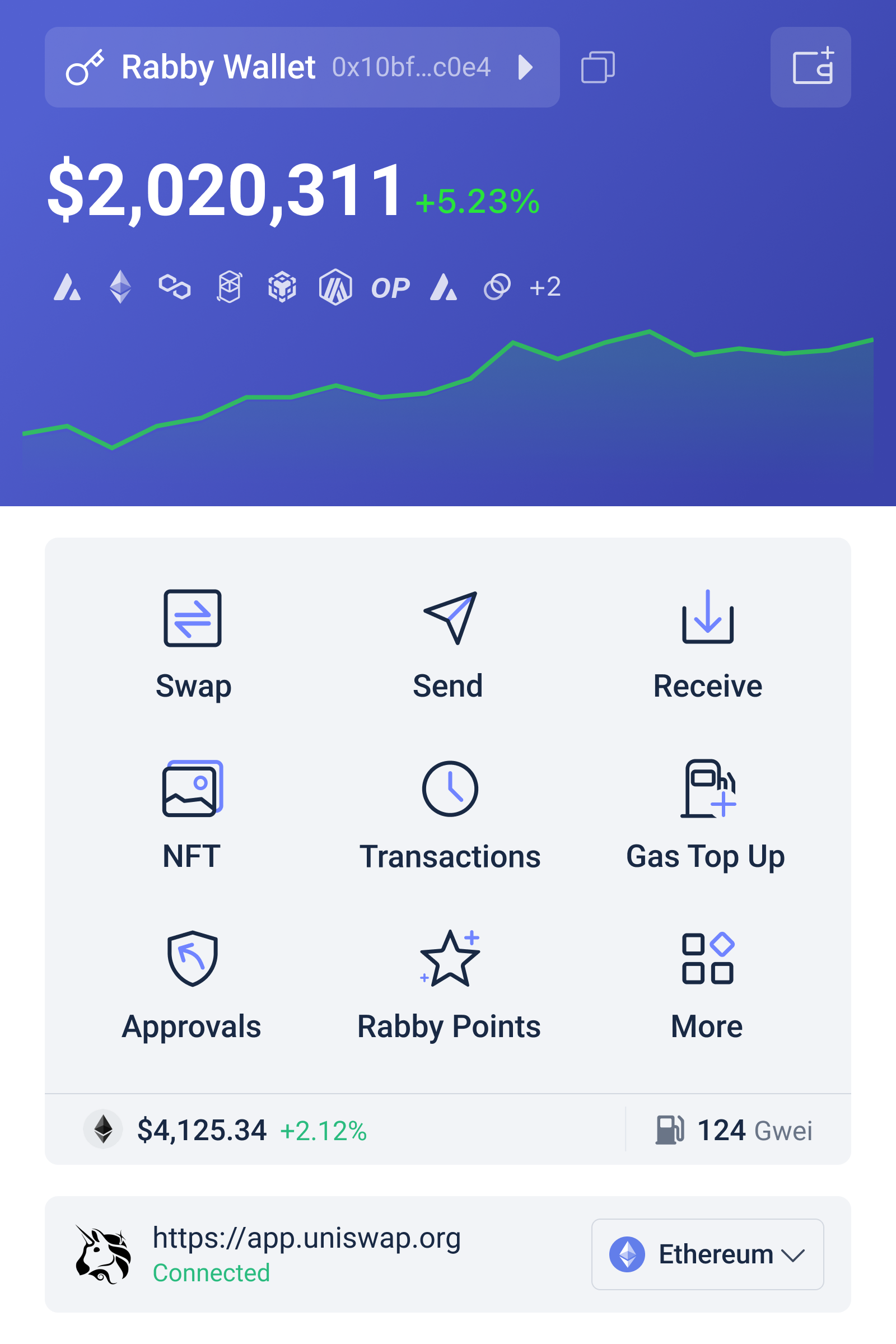
A conversational look at multi‑chain needs and how rabby wallet answers them
Whoa! When I say multi-chain I mean juggling Ethereum mainnet, Layer 2s, and various EVM-compatible chains day to day. Medium sentence to explain further. You need quick context switching, but you also need consistent security primitives—no surprises. Initially I thought that meant sacrificing convenience, but that tradeoff isn’t so strict anymore. Actually, wait—let me rephrase that: convenience and safety can coexist if the wallet offers clear feedback and actionable controls.
Here’s a practical pattern I use. Short one. Check simulation first. Then review approvals. Finally, send smaller test txs on unfamiliar bridges or DEXs. This ritual sounds tedious, but once automated or at least made visible by the UI, it becomes fast work. My experience with rabby wallet is that it nudges you into better habits without making you feel like you’re reading a manual every time.
Whoa! A user asked me last week how to avoid bridge losses. Two medium sentences. I told them to simulate the bridging step and review the route and approvals before confirming. Long thought: because many bridges will present paths that look cheap but route through multiple intermediary contracts, meaning fees, slippage, and smart contract risk compound in ways that are non-obvious unless you can replay the exact transaction logic before committing real funds.
I’m biased, but I prefer tools that show the full story. Short sentence. rabby wallet embeds simulation so you can see what an on‑chain call will try to do. That single link saved me from a costly mistake once—honestly. On the one hand, you can ignore simulations; on the other, if you use them they change the economics of being safe. Hmm… you start catching trouble early.
Okay, let’s talk approvals. Whoa! Approvals are the big UX/security battleground. Two medium sentences. If a wallet nudges you to set tight allowances, you avoid creeping exposure. Long sentence: permissions should be granular and revocable, and the wallet should surface “who can move what and how much” in plain English instead of burying it in obscure token allowance screens, because most people won’t go deep unless it’s obvious why they should.
I’m not 100% sure about every edge case—no one is—but here’s a pattern I follow. Short sentence. I limit allowances, use simulation for complex interactions, and keep an eye on contract addresses I interact with repeatedly. This routine is simple, but it’s a habit that drastically reduces surprise incidents. Also, by the way, there’s a certain peace of mind that comes when your wallet becomes more of an assistant than a mysterious black box.
On the technical side, simulation works because it replays the call graph of a transaction in a controlled environment. Two medium sentences. It estimates gas, shows internal calls, and points out potential slippage or failed paths before you sign. Long explanatory sentence: in practice that means you can detect subtle things like hidden approvals or swap routes that route funds through a low-liquidity pool, which could cause large price impact, and you can then adjust parameters or abandon the operation without spending a cent.
One caveat I keep repeating. Whoa! Simulations are not prophecy. Two medium sentences. They’re models of likely outcomes based on current state and they can be wrong if the mempool or liquidity changes at the moment you broadcast. I’m cautious: don’t assume every simulated outcome is absolute—treat them as an extra safety net that shifts probabilities in your favor. Hmm… this nuance is where education matters.
Okay, some usability notes. Short. rabby wallet’s UI groups networks, accounts, and simulation feedback in a way that feels deliberate. Two medium sentences to explain. Switching chains doesn’t require a mental restart; you get consistent permission prompts and the simulation layer sits under the hood. Long sentence to expand: that continuity is valuable because it reduces cognitive load when you hop from L1 to L2 or to a sidechain, which is when users are most likely to make mistakes because they assume “it’ll be the same” and then the tool differences bite their balance.
I’ll be honest—I found some quirks. Whoa! Small ones. The first time I used advanced simulation flags I misread a gas estimate and nearly bumped into a timeout. That part bugs me. But the ecosystem is moving fast and the team behind the wallet iterates.
FAQ
How does transaction simulation actually protect me?
Simulation replays the on-chain calls locally (or via a trusted node) to predict outcomes like failed calls, slippage, and internal transfers before you sign; it’s not perfect, but it surfaces actionable risks and prevents obvious traps that would otherwise cost real gas and tokens.
Is simulation slow or expensive to run?
Not really—most wallets trigger lightweight, cached simulations that are fast; if you need deeper analysis it may take slightly longer, but the time tradeoff is tiny compared to recovering from a bad transaction.
Where can I try this approach?
If you want a clean, pragmatic wallet that focuses on multi‑chain workflows and transaction simulation, give rabby wallet a spin and see how your habits improve in a few sessions—it’s made me rethink how I approach approvals and complex swaps.
