Whoa!
Solana moves fast and that can feel chaotic to newcomers trying to follow a drop.
I’m biased, but I trust explorers that show transaction context clearly and quickly.
Okay, so check this out—solscan often surfaces details I actually use every single day.
When I first opened an NFT drop page I felt overwhelmed, then after clicking token metadata and holder lists the shape of the event clarified in ways I hadn’t expected.
Really?
NFT trackers highlight provenance and transfer history in a clear, readable timeline that you can parse at a glance.
My instinct said check creator signatures and recent transfers, not just the thumbnail or floor price.
Initially I thought on-chain tools were only for devs, but then realized good explorers translate raw logs into things collectors can act on without code.
On one hand the raw data is messy, though actually a well-designed view makes it surprisingly useful for quick due diligence.
Here’s the thing.
I often use token holder charts to assess concentration risk before I bid on anything.
The memos and program logs can reveal odd behavior that price charts won’t show.
I’ll be honest — sometimes UIs get flashy and hide the audit trails, which bugs me as a collector and analyst.
On the flip side, when an explorer surfaces mint authority, update authority, and linked metadata URIs in a single view, I feel more confident about provenance and can filter risky drops faster.
Whoa!
The NFT tracker features have matured a lot in recent months across several tools.
For example, bulk transfer views and heatmaps help spot wash trading without heavy tooling.
Something felt off about a popular marketplace listing this week, so I traced history and found an odd pattern that would’ve been invisible on a price chart alone.
Initially I thought analytics required SQL chops, but then realized these explorers intentionally hide complexity behind clear dashboards so everyday users can spot red flags and save time.
Quick recommendation
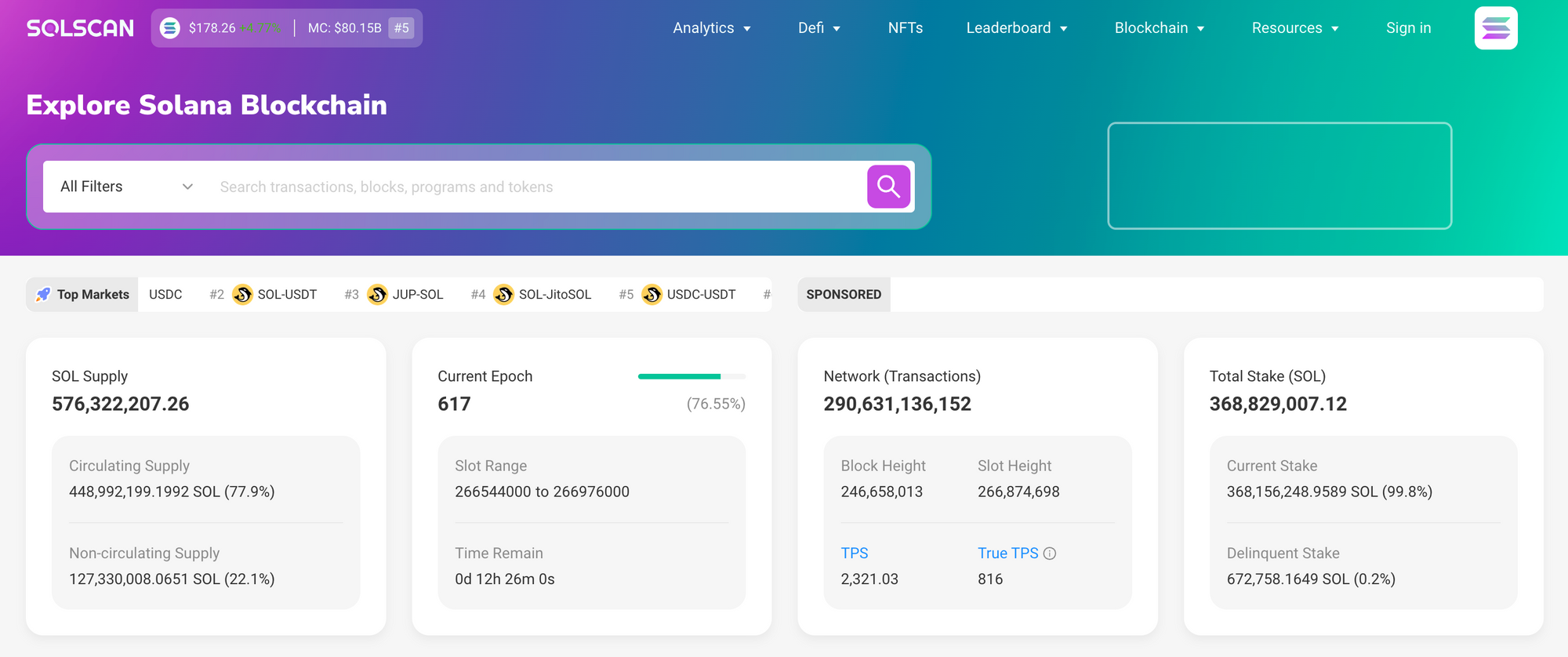
Okay, so check this out—there’s an official site and toolset called solscan that folds transaction details, token metadata, wallet analytics, and NFT tracking into a single dashboard for fast verification and on-chain sleuthing.
Seriously?
Yes — chain explorers are now where collectors verify authenticity and follow provenance before they commit funds.
I’m not 100% sure about every future feature roadmap, but the current toolset supports verifying creators, checking royalties, and inspecting program-derived addresses pretty well.
I’m biased toward clarity and speed; I prefer tools that load instantly and surface the ‘why’ behind movements, because in Solana seconds matter and context changes very very fast.
Common questions
How does an NFT tracker help me avoid scams?
Short answer: by showing the mint history, creator keys, and holder distribution so you can detect suspicious minting or concentrated ownership before buying.
Can non-technical users use these explorers effectively?
Yes — modern explorers translate on-chain logs into readable timelines and alerts; initially I thought they were only for devs, but actually most collectors can use them with a bit of practice.
